

Think acupuncture is just a hocus pocus? A dusty relic of the far east? I used to think the exact same thing. But not anymore and I’m gonna tell you why.
I get it. As a Western-trained neurosurgeon, I spent years in the skeptical camp. In my world, if you can’t slice it, suture it, or see it on a high-resolution scan, it doesn’t exist.
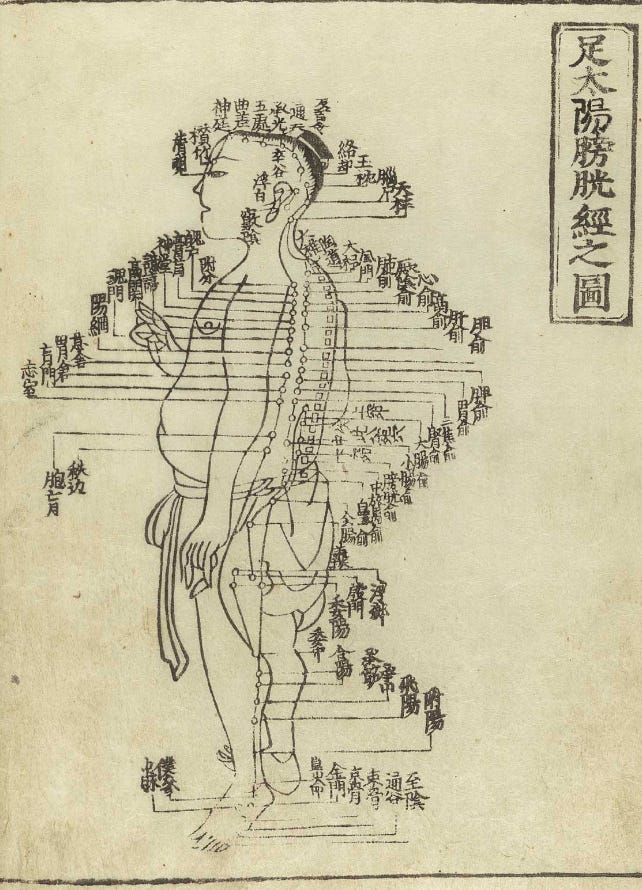
But good medicine demands humility when the data speaks — and the peer-reviewed evidence is now undeniable: this ancient practice produces real, measurable changes in the human brain.
Let’s look at a high-stakes example: stroke recovery. When an ischemic stroke cuts off blood flow, neurons die and patients are often left with devastating paralysis. In 2023, researchers ran a sharp, sham-controlled trial using a protocol called Shou Zu Shi Er Zhen. Over fifty stroke patients received standard hospital care. Half were randomized to real acupuncture; the other half got fake needles at non-therapeutic points.
The difference was stunning. The real acupuncture group regained significantly more motor function and muscle strength. Functional MRI scans showed exactly why: the needles drove neuroplasticity, restoring broken communication links between isolated brain networks — specifically the Default Mode Network (DMN) and the Dorsal Attention Network (DAN).
The DMN acts as your brain’s background operating system — active during memory recall, daydreaming, and future planning. The DAN serves as your focused spotlight, directing attention and purposeful movement. A stroke often knocks both networks offline. Acupuncture effectively turned the lights back on, helping distant brain regions talk to each other again.
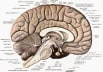
This isn’t a one-off finding. Back in 2004, researchers mapped a key pathway from the primitive brainstem through the thalamus — the brain’s grand central relay station — radiating upward into the cortex and downward into the spinal cord. Stimulating this single circuit gives the nervous system a master-level reset, dialing down pain, anxiety, and even blood pressure.
Then there’s the Neiguan point on the inner wrist — the precise target of those seasickness wristbands. Decades of studies show accurate stimulation here reliably cuts nausea and vomiting. But it does far more. In Alzheimer’s patients, Neiguan acupuncture up-regulates neurotransmitter receptors in the hippocampus and strengthens DMN activity. Similar protective effects appear with gentle electrical stimulation (“acushock”) after traumatic brain injury and major surgeries: lower blood markers of brain damage and noticeably clearer thinking afterward.
Acupuncture isn’t mystical energy work. It’s a hardwired electrical override. By delivering precise mechanical and electrical signals through tissue receptors, it improves cerebral blood flow, reduces neuroinflammation, and commands the nervous system to heal.It will never replace surgery when surgery is needed. But as a low-risk, evidence-backed tool, it offers a precise microscopic reset that pairs beautifully with modern bio-hacks — including time with your dog. Find a good licensed practitioner, stay curious, and let your own nervous system cast the final vote.The data keeps coming in. Ancient needles. Modern brain science. Real results.
Thanks for this electric article!
And for reminding me about how great one can feel after an acupuncture session.
I had a strange buzzing sensation in the upper right part of my forehead that was constant. Doctors couldn't figure out the cause. The only thing that worked was weekly acupuncture with electrical stimulation. It took a few weeks of sessions before it went away, but has never returned. I'm very grateful for this ancient science.