

Being Thankful Literally Rewires the Brain

Choosing to actively notice the good things in your life improves your mental health from multiple angles. It makes you far less vulnerable to depression, helps you forge deeper relationships with the people around you, and lifts your day-to-day happiness. But from the perspective of a neurosurgeon, the most exciting detail is that gratitude changes your gray matter. It forces a biological upgrade.
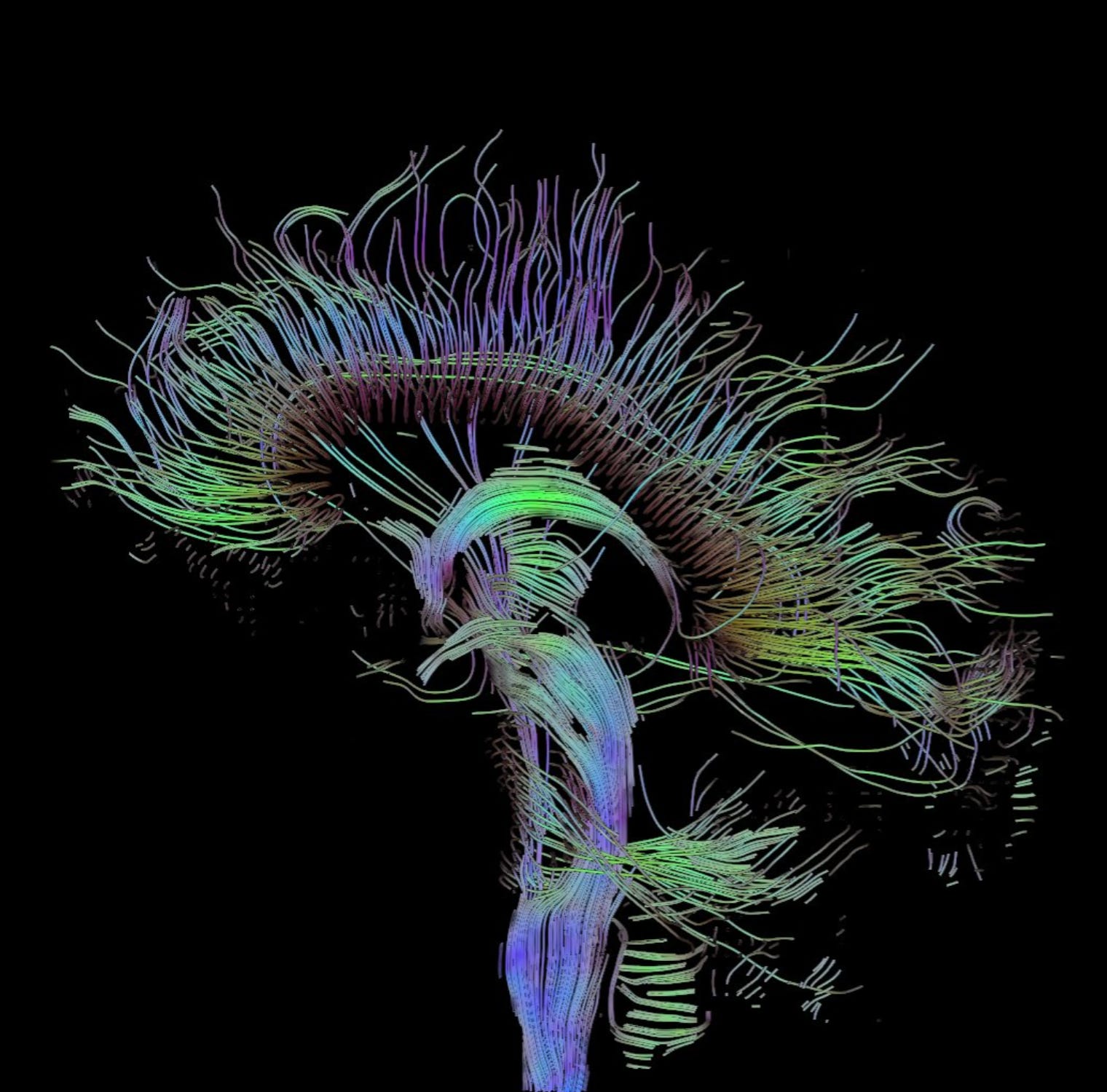
In one compelling study, researchers used structural MRI scans to peer inside the brains of over one hundred young, healthy adults. They discovered that people who naturally experienced a higher level of gratitude possessed distinct physical differences in a key region located right behind the forehead, known as the medial prefrontal cortex. This is the area of your mind responsible for guiding your daily choices, sorting through emotions, and anchoring your thoughts to meaningful memories. The more grateful the volunteers were, the more their brain anatomy reflected it, showing noticeable changes in the balance of thinking cells and the dense web of connections between them. This is neuroplasticity in action. Your brain is a dynamic organ, remarkably adept at remodeling itself based on the thoughts you repeat the most. Gratitude is a targeted workout for your neural architecture.
Another study pushed this concept even further to see what happens when we practice this intentionally. Researchers asked a group of volunteers to spend a few weeks writing down the specific things they felt thankful for. Using functional MRI scans to watch the brain operate in real time, they noticed something fascinating. The gratitude group developed much stronger neural responses in the pathways tied to reward and social connection. Their brains naturally began to value the well-being of others. They became more generous, not because they were forcing themselves to be nice, but because their physical wiring had shifted.
The Daily Hack
The daily application of this trick is incredibly straightforward. Every single evening, take five minutes to write down three things you appreciate. Do not overcomplicate it. You do not need to wait for a major life milestone. It can be a perfectly brewed cup of morning coffee, an unexpected text from an old friend, or simply surviving a chaotic day at work. The trick is to pause and actually feel it. Replay the moment in your mind and let the warmth sink in.
If you stay consistent for just a few weeks, you will notice you are less stressed, more optimistic, and naturally kinder. Your brain is adapting, tuning its internal radar to scan for the good stuff automatically. This is not wishful thinking. It is an image-verified neurological adjustment. Start tonight. Give it five minutes, and let your brain handle the rest.