

The Chocolate Brain Challenge: Why This Neurosurgeon Eats Dark Chocolate for Breakfast

What if the ultimate biohack for your brain was sitting in your grocery aisle right now?
Believe it or not, your favorite neurosurgeon is someone who starts most mornings with dark chocolate. I spend my days navigating the most complex organ in the universe, always hunting for practical, evidence-based ways to protect and supercharge your gray matter. For years, we’ve searched for tools that optimize neural performance under high stress. Two peer-reviewed studies have now handed us a weapon that is not only powerful but genuinely delicious.
The science is compelling. In a 2024 functional MRI study published in Nutrients, researchers observed real-time changes inside the living brain during cognitive tasks. After participants consumed high-concentration cacao flavanols, fMRI scans showed a fascinating shift: decreased blood-oxygen-level-dependent activity in the left dorsolateral prefrontal cortex and left inferior parietal lobule. In plain English, the brain became more efficient, preserving its executive resources and reducing mental strain during grueling mental work. The result? Sharper focus and sustained cognitive endurance without burnout.
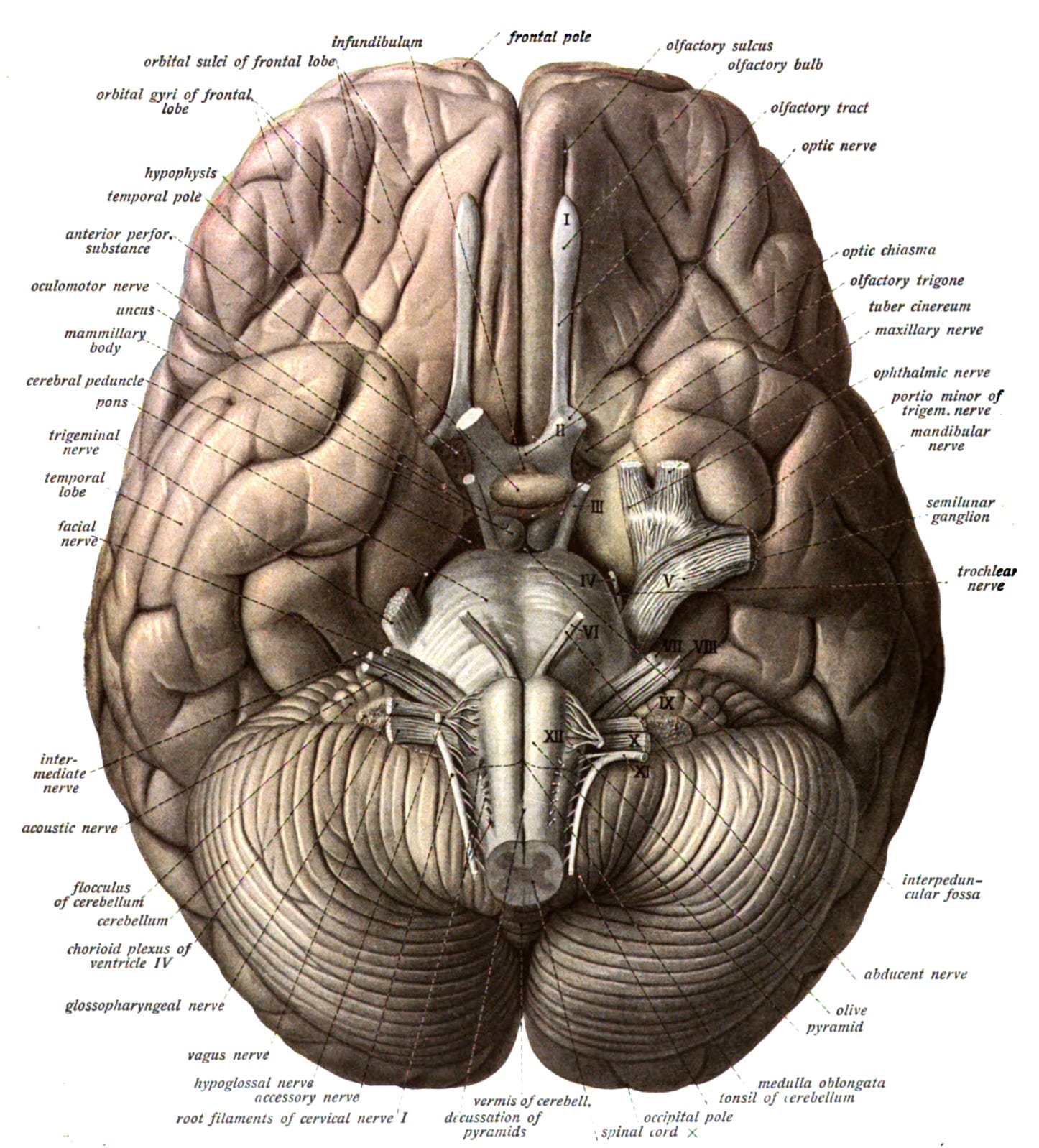
The longer-term findings are even more exciting. A four-week clinical study published in Behavioural Neurology examined healthy middle-aged adults eating 72% dark chocolate daily. The data revealed two remarkable outcomes: significantly reduced mental and physical fatigue, alongside structural path analysis showing positive direct and indirect correlations with executive function, memory, and gray matter volume preservation. In an age where cognitive decline is a growing concern, this suggests a daily dose of high-cacao chocolate may help defend the actual structural integrity of your brain.
That’s why I turned this neuroscience into something you can test yourself. I call it the Chocolate Brain Challenge—a simple, objective, real-world experiment.
Here’s exactly how to do it:
Establish a baseline: Go to MindCrowd (
https://mindcrowd.org/
) and take their free, scientifically validated ten-minute memory test. Record your starting score honestly.
Dose your brain: Consume one standard serving of high-quality dark chocolate. Aim for exactly one ounce (about 28 grams), or roughly two to three squares. (Hint: It doesn’t have to be for breakfast… but then again, why not.)
Select the right cacao: Choose at least 72% cacao. To maximize the neuroprotective polyphenols and drop the sugar count, step up to 85% or 90%.
Metabolize: Wait forty-five minutes to allow the flavanols to pass the blood-brain barrier and enter your bloodstream.
Retake the test: Go back to MindCrowd and retest. Did your score improve? Did that familiar mental fog lift?
If you’re serious about long-term brain health, make this a daily habit for the full four weeks. Consistency is where the real magic happens. One ounce every day can help fight cognitive fatigue, protect executive function, and support a more resilient mind. At the end of the month, test yourself again and measure the difference.
This isn’t just another trendy treat—it’s targeted brain nutrition backed by neuroimaging studies. Of course, individual results vary based on your overall diet, sleep, exercise, and genetics. This is not medical advice, and it’s not a replacement for a healthy lifestyle or professional care. If you have any medical conditions—especially diabetes or concerns about caffeine and theobromine—check with your doctor first.
I’ve been running this protocol myself for months. The sustained focus during long operating days has been noticeable, and many of my followers who’ve tried it report the same: fewer afternoon crashes, quicker word recall, and a clearer mind.
Now it’s your turn. Take the Chocolate Brain Challenge. Test your mind, guard your gray matter, and enjoy something that actually tastes good while you do it. Drop your before-and-after scores and experiences in the comments below—I read every single one. Let’s light up those frontal lobes together.
I regularly add a heaping teaspoon of unsweetened cocoa powder to my oatmeal ( along with a spoon of peanut butter for the Reese's effect. Does this also count? Fewer calories.
Good news!